

Many disbursements, like rent or salaries, are expenses, but not all expenses involve immediate cash outflow (e.g., depreciation). Conversely, some disbursements, like repaying a loan principal, reduce liabilities but are not expenses impacting profit and loss. A “cash outflow” describes any movement of money out of an account; disbursements are a specific type of cash outflow. Disbursements encompass various payment methods, including checks, electronic fund transfers (EFTs), and digital payments. Managing disbursements is essential for a company to maintain liquidity and financial stability.
- Mobile payment solutions can be especially useful for businesses that have employees who are frequently on the go, as they can make payments from anywhere at any time.
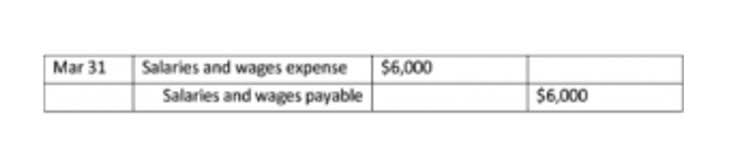
- As you can see, the timing of revenue and expense recognition differs between the two methods.
- A hedge fund manager employs a trading strategy that requires frequent disbursements to execute transactions, such as buying or selling securities.
- In today’s fast-paced business environment, managing disbursements effectively can lead to significant cost savings and improved operational efficiency.
- A structured process for managing disbursements helps ensure financial control and accuracy.
- Cash disbursements can be a challenging process for businesses, but with proper planning and implementation of best practices, these challenges can be overcome.
Types of business expenses.
- Suppose Anne has been approved for a home mortgage loan from a bank to purchase her dream house.
- The disbursement ratio was also lower than the previous month’s ratio of 55%, which means that ABC Company improved its profitability and cash flow management.
- For instance, let’s consider a manufacturing company that purchases raw materials from a supplier.
- This differs from a “recharged expense,” like travel costs, which may be passed on to the client with an added fee.
- You should hold on to receipts, checks, and any other papers that show your payments.
- This will help them make informed decisions and ensure they have enough funds to make timely payments.
It is an essential part of the accounting cycle and the cash management system, as it affects the cash flow, profitability, liquidity, and solvency of the business or organization. Journal entries are posted to the general ledger, the central record for all financial transactions. In an accrual accounting system, disbursements are recorded when they occur, even if the actual cash payment happens later. As we come to the end of our discussion on efficient cash disbursements in cash accounting, it is important to summarize the key takeaways from this blog. Throughout our discussion, we have explored various aspects of cash disbursements and how they can be managed effectively to ensure the smooth functioning of a business.
Cash Basis vs Accrual Basis

You can get your bank statements online, by mail, or by visiting your bank branch. Review your bank statements and verify that they are accurate and complete. For example, you should check that the dates, amounts, and descriptions are correct, and that there are no unauthorized or fraudulent transactions. You should also make note of any bank charges, such as service fees, interest, or penalties, that affect your bank balance. Companies of any size need to keep a detailed accounting of cash disbursements.
What is Disbursement Accounting and Why is it Important?
In this section, we will delve into the intricacies of disbursements in accounting, exploring their various forms and shedding light on their significance. Cash disbursements are a crucial aspect of cash accounting that involves the payment of funds to suppliers, vendors, employees, and other stakeholders. It is an essential process that ensures the smooth running of businesses and organizations by facilitating the purchase of goods and services, payment of salaries and wages, and settlement of debts. Effective cash disbursements require proper planning, control, and monitoring to avoid fraud, errors, and misappropriation of funds. The process of recording and managing disbursements begins when businesses make payments or issue checks as part of their day-to-day operations.

What Is Cash Disbursements? Definition & Examples
Institutional investors, such as pension funds, mutual funds, hedge funds, and insurance companies, often Accounts Receivable Outsourcing use disbursement management to execute their investment plans efficiently. They rely on timely disbursements to facilitate transactions, meet redemption requests from investors, manage cash flows, and make payments to service providers, such as custodians or administrators. Many businesses utilize accounting software to streamline their cash disbursement recording processes.
This financial process ensures that expenses are properly tracked, recorded, and managed. Each type of payment has its own advantages and disadvantages, as well as its own risks and controls. This is the second step in the disbursement https://thesunshinetribe.com/mastering-unearned-revenue-essential-accounting-5/ accounting cycle, where the payment request is reviewed and approved by the person or department that is responsible for authorizing the payment.
Best practices for optimizing the disbursement process
- Additionally, regular audits of operating expenses can help identify areas for cost reduction, contributing to better financial health.
- This contrasts with an expense, which represents a cost incurred in generating revenue, regardless of when the cash outflow occurs.
- On the due date, the company has to disburse cash to settle the credit balance with the supplier.
- This is usually accomplished by mandating once-daily distributions of checks, typically early in the day.
- As the transaction is a payment for accounts payable, a $15,500 debit to accounts payable is recorded.
- People use this way of sending money for paying bills, salaries, or even transferring funds between their own accounts.
An insurance company manages various cash inflows and outflows daily, including premiums, claims, and investments. Effective disbursement management ensures that they can pay timely claims, meet redemption requests, and manage their disbursements accounting liquidity efficiently to maximize their overall performance. In business accounting, a disbursement refers to any cash outflow or payment made by a company during an accounting period.
To learn more about how Tipalti can transform your business with a single automated AP solution, book a free demo today. A controlled disbursement enables a company to review and structure payments while maximizing earned interest. Companies can leave assets in high-interest accounts to keep on generating profit, while lower interest-earning assets are used to make immediate or short-term payments.

How to Record Your Disbursement Transactions in a Ledger?
You should gather all the relevant data and documents related to your disbursement transactions, such as invoices, receipts, vouchers, checks, bank statements, etc. You should also verify the accuracy and completeness of your data, and reconcile any discrepancies or errors. You should then organize your data into categories or groups based on the source, purpose, or nature of your disbursements, such as operating expenses, capital expenditures, debt repayments, etc.